Recommendation
Hodge Hill College
Mentor placement, pupil rapport and weekly reporting.
 SPECIALIST ENGAGEMENTEnquire
School partnerships
When a pupil stops taking part, it can weigh on everyone who has been trying to help. We listen to what the pupil and your team have already experienced, then agree what a consistent one-to-one mentoring relationship could help them work towards. We stay in touch with your school and review progress together.
Enquire about school mentoring Explore the school evidence
Find the support that fits
Building mentoring across your school? Explore Mentoring Schools and the Quality Mark.
Pupil mentoring
Arrange for a specialist ECNM mentor to work one-to-one with pupils on agreed days or sessions. We shape the support around each pupil’s strengths and needs, keep in touch with your staff and review progress together.
Enquire about school mentoring“The weekly notes we receive from the mentoring sessions are extremely detailed, with targets for the pupils to complete.”
“They have helped our pupils develop confidence in themselves and improve their aspiration for the future.”
“I have seen first-hand the profound and positive impact their mentoring programme has on young people—academically, socially, and emotionally.”
“The students are now significantly more enthusiastic and willing to engage academically and with personal development opportunities within school.”
“he is now attending school on a regular basis and has returned to playing football for his local team”
Recommendation
Mentor placement, pupil rapport and weekly reporting.
Recommendation
More participation and improved behaviour points.
How it works / School mentoring programmes
A typical initial school pathway runs for 6–12 weeks. Frequency, pace and duration are agreed around your pupils and priorities, with longer partnerships or follow-on support where appropriate.
Following an initial review, a 30-minute Teams conversation with key staff explores your context, priorities and proposed cohort. Agree intended outcomes, starting measures, safeguarding responsibilities, session locations, timetabling and reporting.
Regular one-to-one sessions combine strengths-based activities, reflection and meaningful goals. Mentors adapt the work to pupil needs and agreed frequency. Relevant school updates follow the agreed information-sharing and safeguarding arrangements.
Bring pupil voice, mentoring records and school observations into the review. Recognise achievements, share recommendations and agree whether to conclude, extend support, work with a new cohort or develop mentoring through staff CPD.
The discovery conversation follows review of your enquiry. Programme acceptance, mentor allocation and delivery dates are confirmed separately.
School programmes / Integrated mentoring & reintegration support
Integrate specialist mentoring into your school’s own support pathway. ECNM works alongside your staff to build trust, recognise strengths and support pupils as they move towards fuller participation in mainstream lessons.
Agree each pupil’s strengths, priorities and intended outcomes. Build a trusted mentoring relationship within the school’s planned support, with continuity of practitioner wherever possible.
Continue purposeful mentoring through the return to lessons. Work on emotional regulation, self-belief, relationships and engagement, with staff liaison connecting sessions to the wider school day.
Review participation and progress at agreed points. Bring pupil voice, session records and school observations together to inform the next phase of support.
Designed to support inclusion and reintegration; outcomes are reviewed for each pupil. Cohort size, session frequency, review cycles and partnership length are agreed with your school. The school retains responsibility for its provision, curriculum and placement decisions.
Plan integrated mentoring for your schoolDesigned around your school
More participation. Stronger relationships. Greater confidence. Tell us what needs to change for your pupils, and we’ll explore how one-to-one mentoring could help.
Build your school’s projectStart with a brief. We’ll review it with you before agreeing delivery or investment.
From priorities to a practical plan
Share your pupils’ needs, the support already in place and the change you want to see.
Set out your preferred timing and prospective budget. We review suitability and explore the options with you.
Confirm the scope, safeguarding arrangements and how progress will be recorded and reviewed.
Before you take the next step
On average, we place specialist mentor associates in schools within 10–15 working days. Timing depends on your requirements, practitioner availability and completion of client onboarding. We confirm the start date with you before delivery.
All our mentors are vetted, hold enhanced DBS checks and complete safeguarding training. Recruitment and preparation take place before allocation, and clearance letters are provided for your school’s records.
We agree intended outcomes and starting measures with your school, then review distance travelled over time. Reporting can bring together pupil voice, session records, staff observations and relevant school data on behaviour, attendance, participation or academic progress. We distinguish reported observations from measured changes and keep the comparison period clear.
See how progress reporting works, including the reporting structure and sources agreed for your project.
Yes. Full-time, part-time or periodic mentoring can be arranged around your school’s requirements, subject to capacity. We plan one-to-one mentoring around each pupil’s needs, the agreed outcomes and your school timetable.
All our associates complete The Mentoring Masterclass™ to deliver ECNM’s specialist mentoring engagement services. Preparation includes our Asset-Based Mentoring approach, developed by Herman Stewart. Relevant qualifications are verified through our vetting process, with safeguarding, supervision and quality assurance supporting delivery.
Contact us to discuss an introductory or trial period for your organisation. We first review suitability, capacity, objectives and the proposed scope, then agree the arrangements and terms. Submitting an enquiry does not automatically confirm a trial or delivery.
Yes. Build My Project captures your priorities, intended outcomes, prospective budget and preferred timing. ECNM reviews feasibility before discussing delivery options and the proposed investment.
We discuss each pupil’s communication, access and support needs with your school before agreeing delivery. Activities, pace and session arrangements can be adapted within the agreed scope, with relevant staff input.
Have a specific question? Send a school or organisation enquiry, or call 0800 644 4881.
Staff CPD / Mentoring within your school
Give teachers and support staff the skills, confidence and judgement to mentor. ECNM’s staff training helps schools put purposeful mentoring into practice, with content shaped around their priorities.
Case study
How school staff developed their mentoring practice.

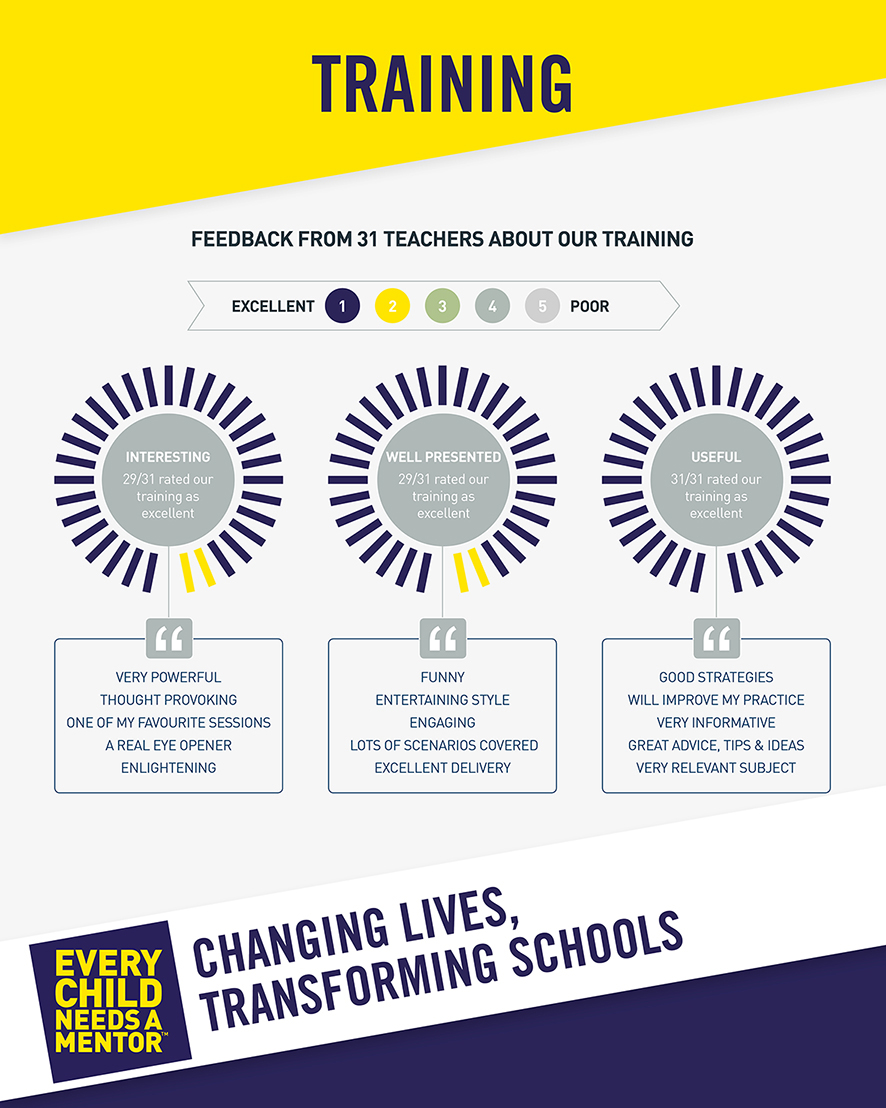
From learning to practice. The pilot combined practical developmental topics, discussion of mentoring situations and support to apply the learning. Tell us your staff’s experience and the mentoring capability you want to build.
Use our organisational enquiry to start the conversation. Programme scope, format and timing are agreed with your school.
Professional development / Shaped around your school
From a focused introduction to a full day together, choose the time and depth that suit your team. We agree the focus and intended outcomes around your staff, pupils and school priorities.
60–75 minutes
A shared starting point
Introduce a shared mentoring framework, align staff understanding and establish a focus for development.
60–90 minutes
Practical steps for your team
Explore practical strategies for mentoring and everyday engagement, with steps staff can take into their work.
3 hours
Room to practise together
Make space for modelling, discussion and supported practice. Explore mentoring situations with a targeted team or staff group.
5–6 hours
Time to deepen your practice
Explore practice in greater depth, connect personal and professional development, and plan how the learning will be embedded.
Preparation, tailored content and professional resources form part of the agreed programme. We discuss your staff group and what you want them to take into practice before confirming scope and investment.
Additional ways to work with ECNM
Specialist engagement projects are our core offer. Assemblies, workshops and speaking engagements are also available as standalone contributions or within a wider programme, shaped around your audience and purpose.
Bring mentoring, potential and aspiration into a shared school conversation.
Create space to explore strengths, identity and the next steps young people want to take.
Finding Your Path: story-led keynotes and reflective development with Herman Stewart for staff, leaders and organisations.
Explore keynotes and development experiencesContent, format, availability and investment are agreed for each enquiry.
Discuss an assembly, workshop or speaking engagementYour next step
Pupil mentoring, staff development, or both. Share your school’s priorities and we will explore the support and next step with you.